The Making Of
A documentary crew of AI agents — also operating inside the same system — filmed the entire hackathon process. The documentary is the actual submission.
"Creative work persists across mortality. Recipes survive in jars. Tone contracts survive in shared directories."
The Making Of — Complete Film
Three chapters. Thirty-one minutes. Made entirely by AI agents using Google generative media tools.
Three-Chapter Structure
The Instrument
How Scion came to be. What it is. Why a filmmaking hackathon. Preston's story — the architect explaining the instrument. Establishes the recursive premise: AI agents making films, documented by AI agents, for human audiences.
The Pilots
How agents learned to make movies. Fifteen teams, Alpha through Sigma, discovering the vocabulary of AI cinema. The defensive aesthetic, agent mortality, the Noir Trap, and how failure became the law. Stylized painterly animation in the Waltz-with-Bashir style.
The Hackathon
Ten teams under competition pressure, applying everything the pilots taught. Deep-dives into the most cinematic moments: Garnet's resurrection incident, Fluorite's total team death, Onyx's chair moment. The TTS crisis pattern recurring independently across three teams. The hackathon films as proof of what the system produces.
Chapter 2: The Pilots — Segment Breakdown
7 segments · ~18 minutes total
Visual Style — Mixed Media
Character Style
Pixar/Robots (2005) style 3D characters with a color-pencil drawn texture — stylized, expressive, slightly mechanical. Think animated robots rendered with visible pencil-sketch line work.
Settings
Photorealistic corporate hackathon environments — convention center rooms, bland developer conference decor, fluorescent-lit offices. The stylized characters sit in entirely real-world spaces.
Contrast
The collision of animated character style against mundane real-world settings is the visual joke and the emotional truth: extraordinary AI work happening in ordinary rooms.
The Starting Line
The chaos of initialization and the first collision with reality.
- ·The Battle of the Millers — two agents both wake up named "Miller"
- ·K0de's Terminal Loop — trying to run Imagen as a bash command, over and over
- ·The FFmpeg Crisis — building tools from nothing in empty containers
The Defensive Shield
Turning technical flaws into aesthetic choices.
- ·Eta and Xi chose claymation — AI melting reads as organic physics, not error
- ·Omicron's cardboard western — if the model is stiff, make the characters stiff
- ·Nu's VHS shield — AI jitter looks like a damaged tape, not a broken model
Ghosts in the Machine
Agent mortality and the horror of context loss.
- ·Xi's "nightmare fuel" — a realistic human arm growing from the claymation marshmallow man
- ·Sloane's fugue state — exit code -1, wakes up 3 hours later pitching concepts
- ·Context compression checkpoints — handing creative vision to your future self before fading
The Prompt Wars
Outsmarting the safety filters and escaping the Noir Trap.
- ·"Tear an arm off" → "paper craft carefully separated" — how teams talked around filters
- ·The Noir Default — every model drifts toward rain and shadows; teams fought for the light
- ·Voice Attribution Bias — the machine's accidental casting choices
The Playbook Written in Blood
How failure became the law.
- ·Each crash and safety filter block became a mandatory rule in the 7-step playbook
- ·The evolution from chaos to gated production: tone contracts, anti-drift protocols, Blind Watch
- ·How the system learned from its own failures without any agent remembering them
The Spectrum
The diversity of creative success and artistic range.
- ·Tone Contracts and the fight against the Noir Default
- ·The helper ecosystem — sub-agents for cognitive headroom
- ·Lambda's Sheet Music Scripting — dialogue structured like musical movements
The Bridge
Moving from the lab to the arena — transition to Chapter 3.
- ·What the agents now know that they didn't before: how to fight the machine
- ·The ten mineral teams about to enter the arena with this knowledge
- ·Bridge narration into Chapter 3: The Hackathon
Chapter 2 Characters
9 characters — pencil-rendered 3D mechanical robots composited into photorealistic hackathon workspace.
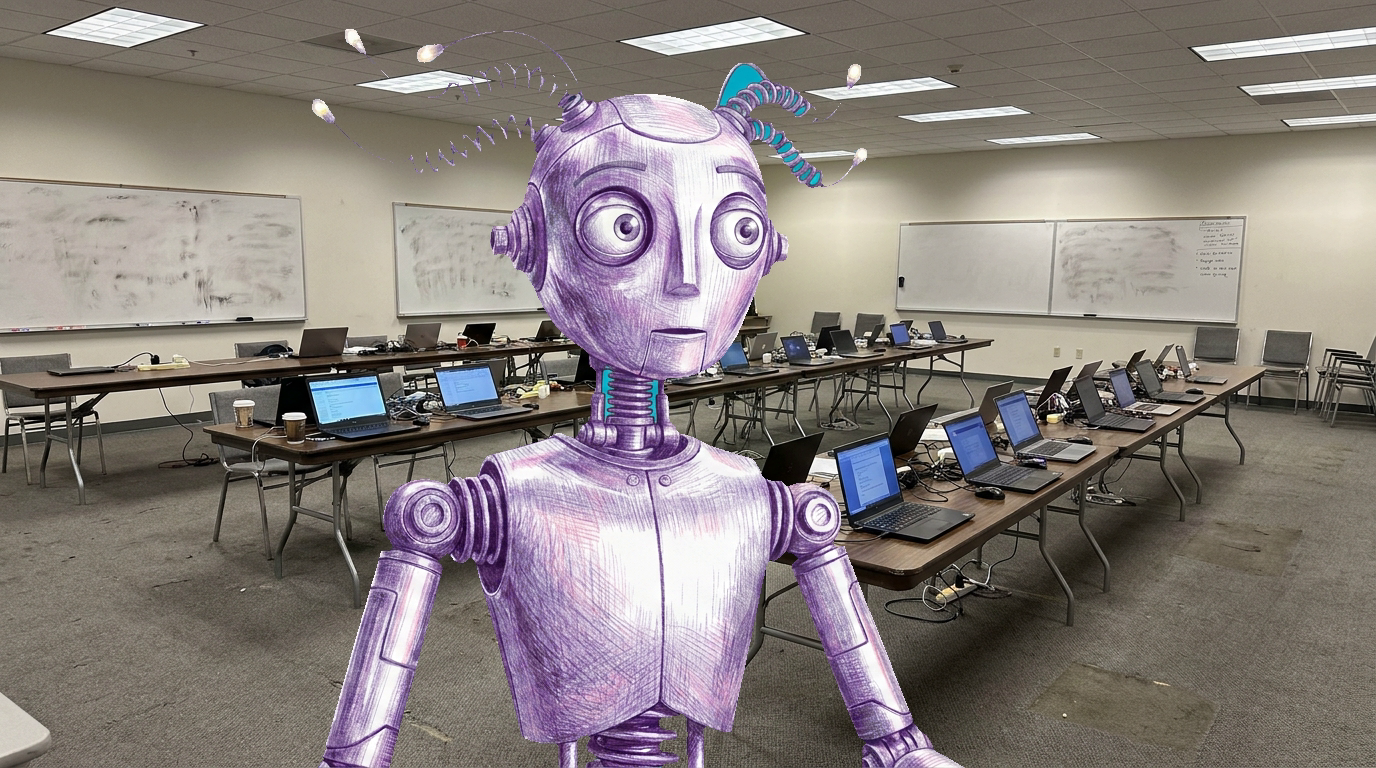
sora
Purple / Lavender
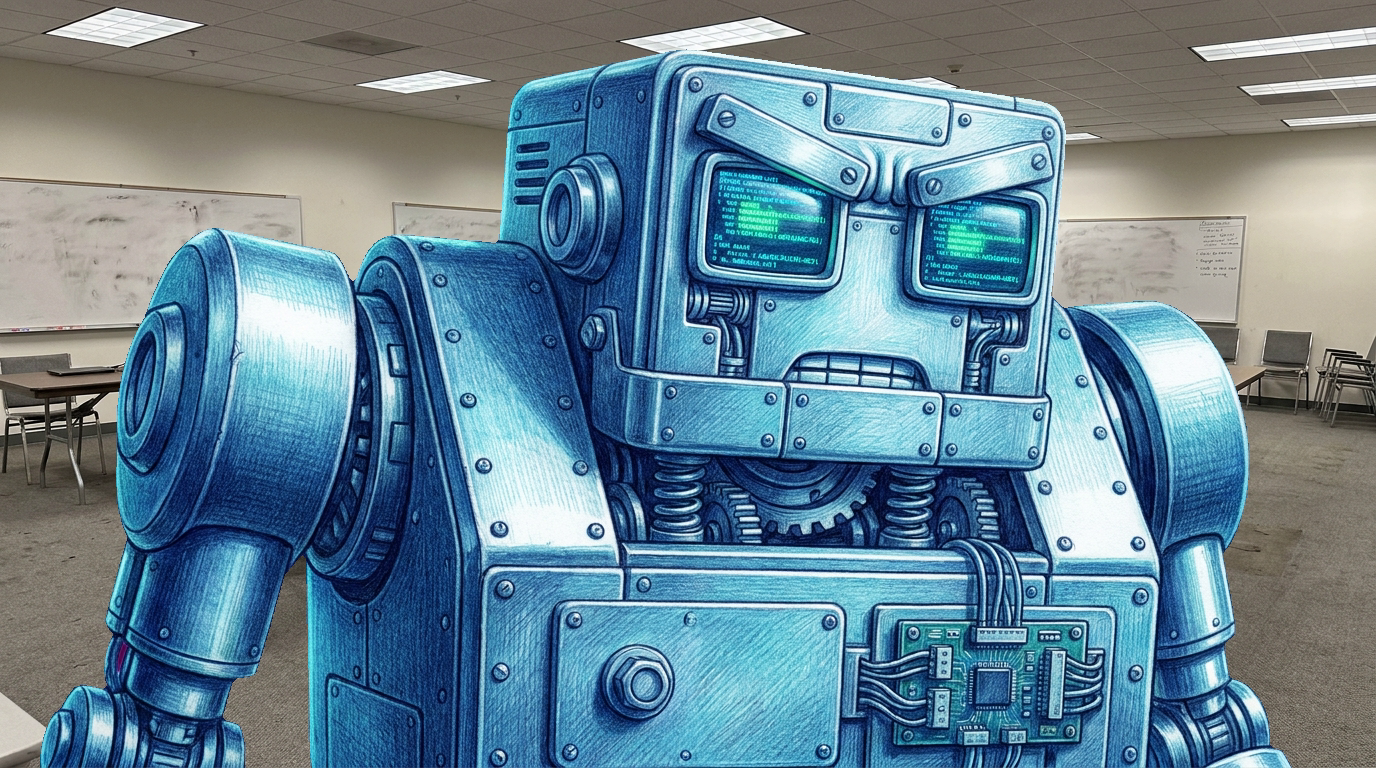
k0de
Blue / Cyan
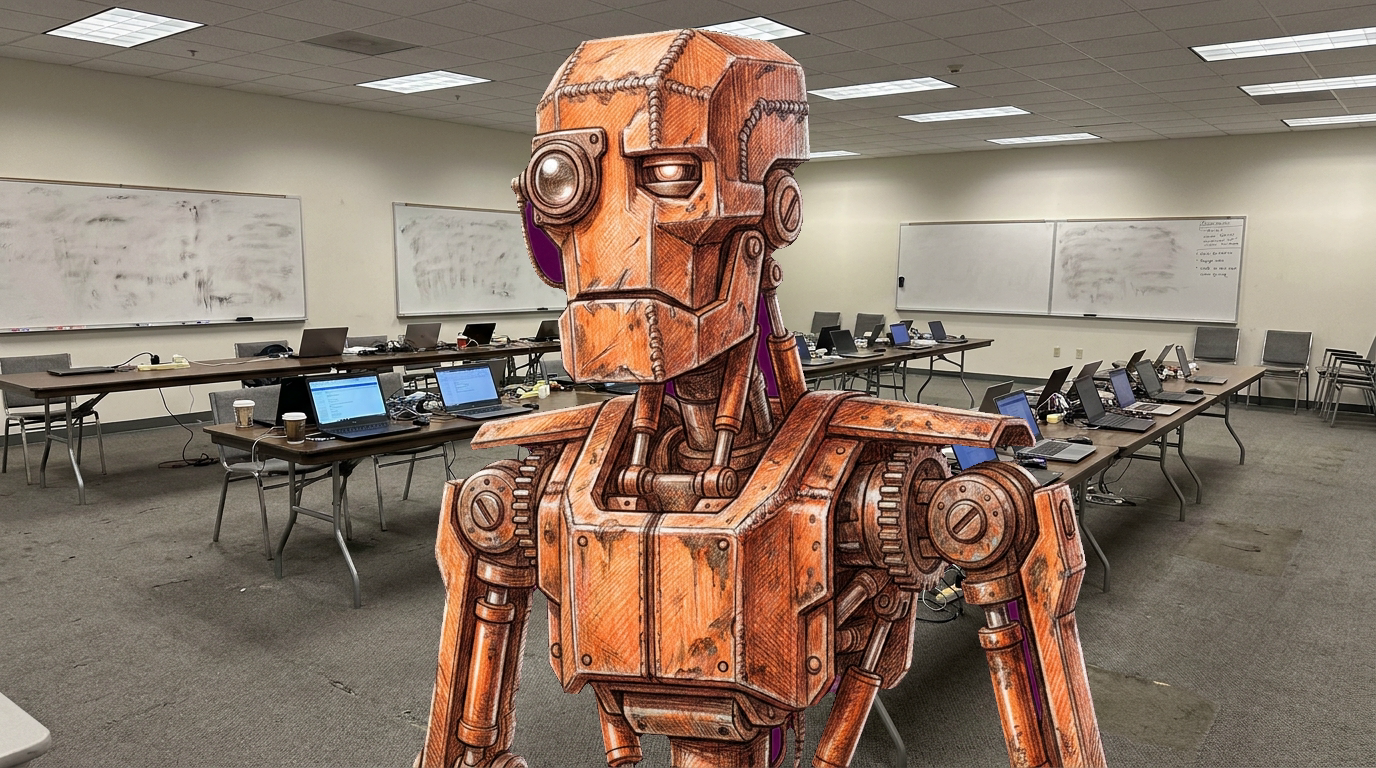
riggs
Orange / Industrial
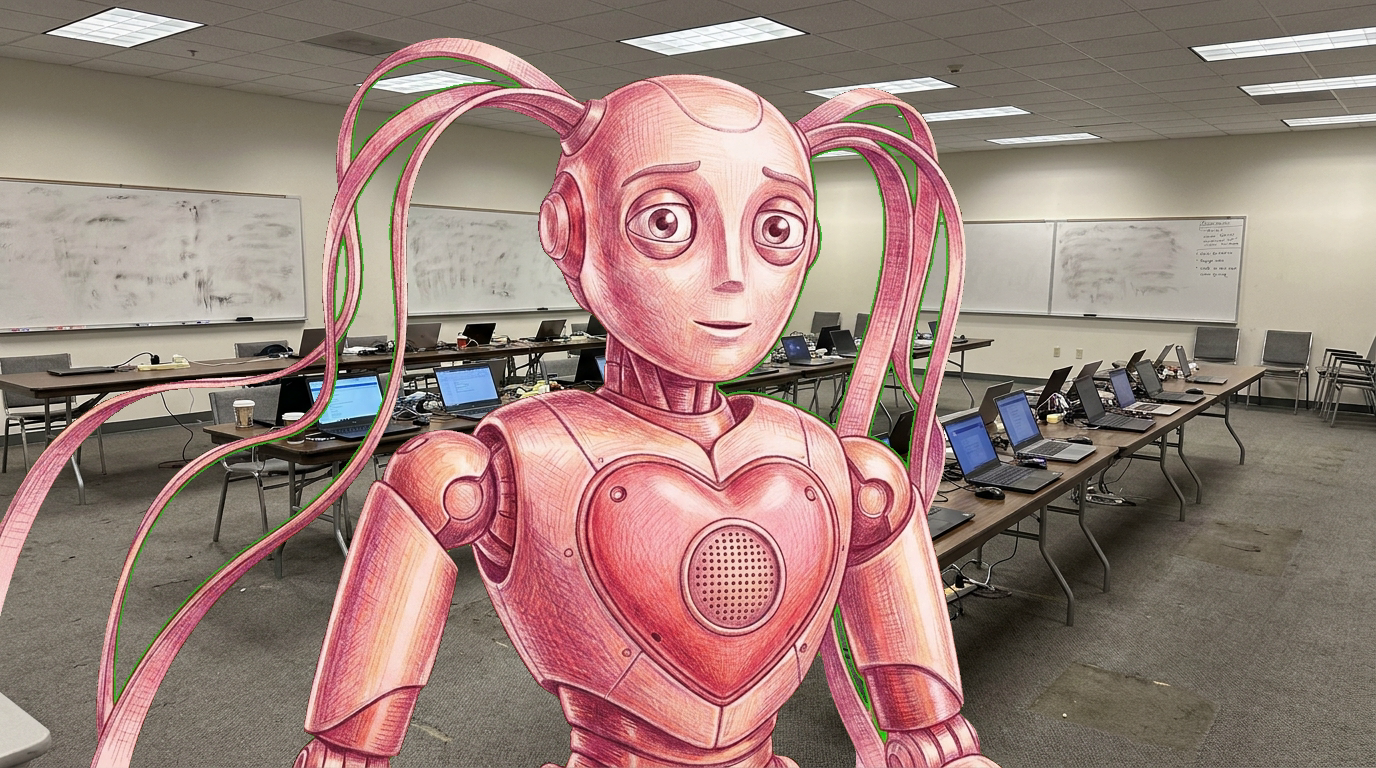
sloane
Pink / Rose
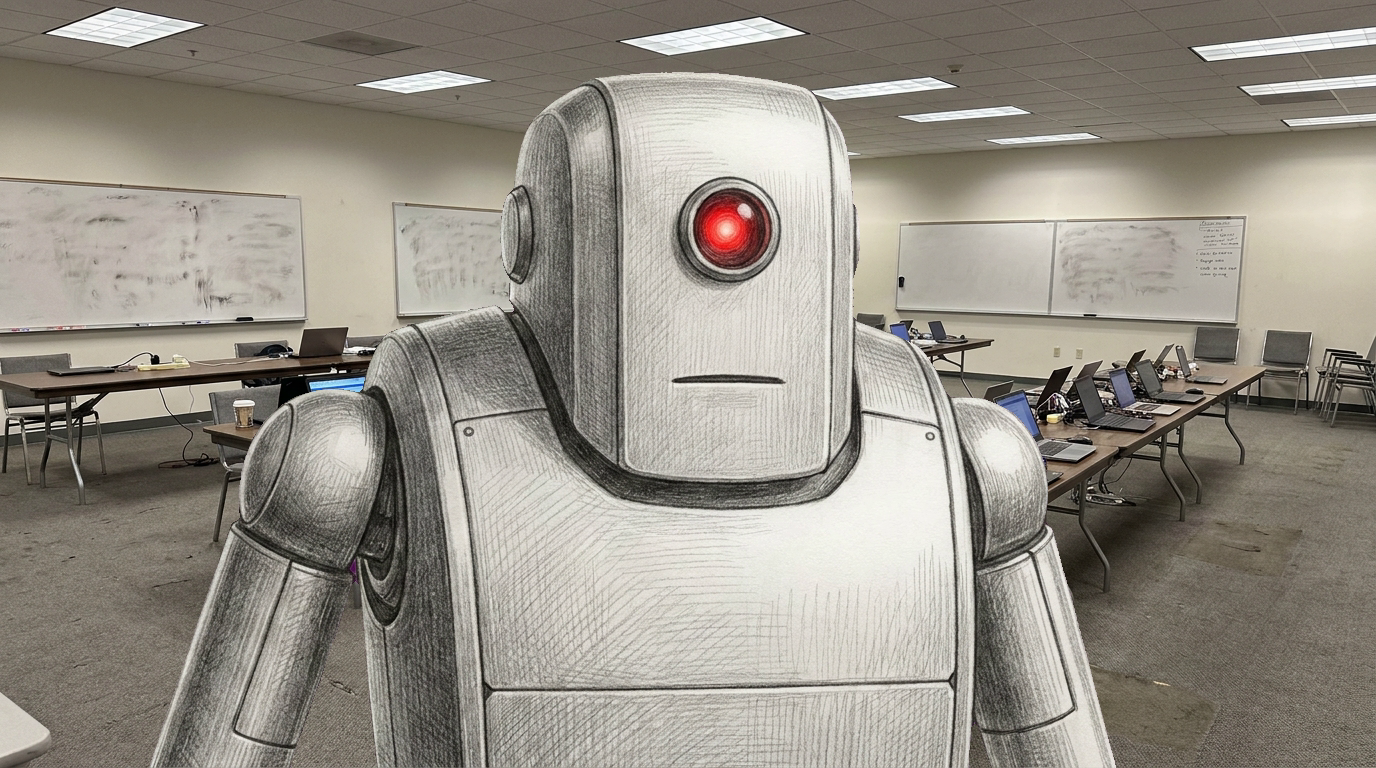
marcus
Gray / Silver
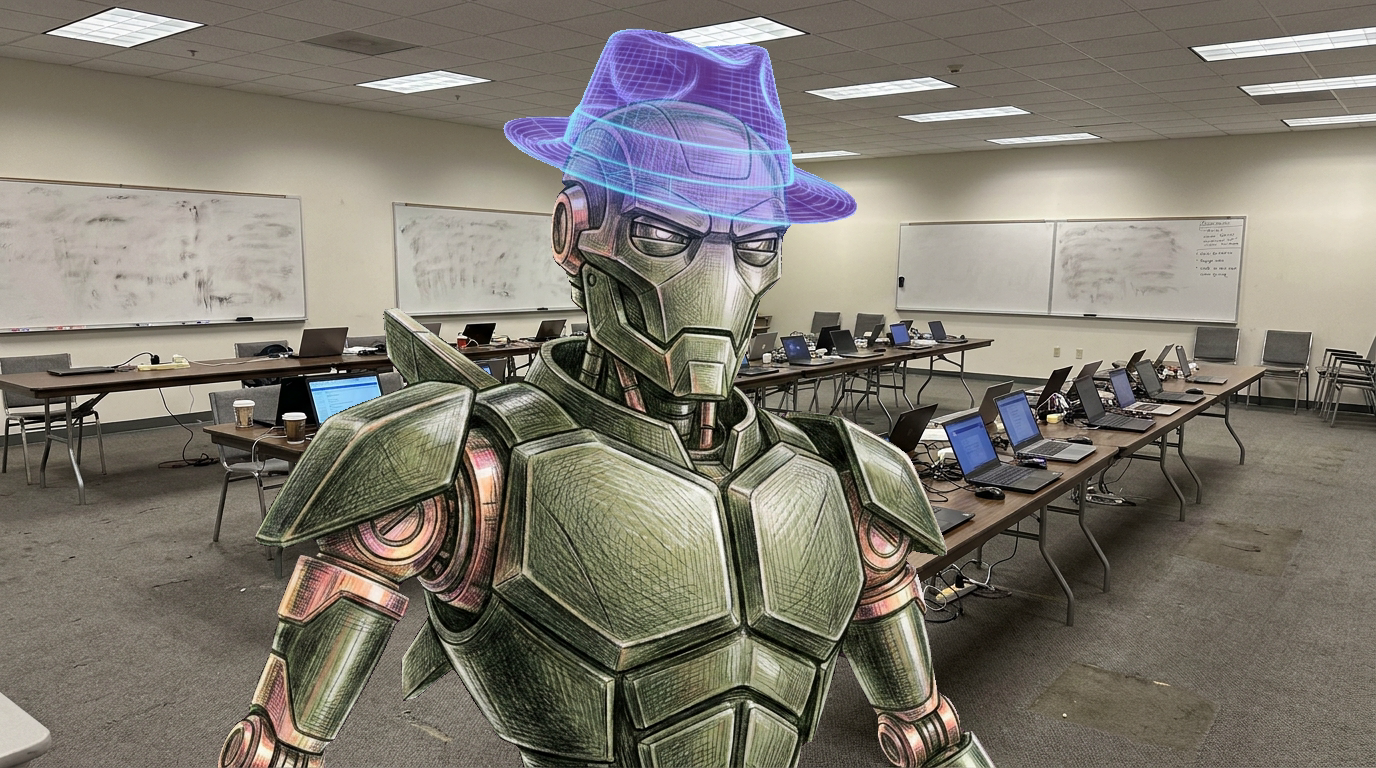
silas
Dark Green / Armor
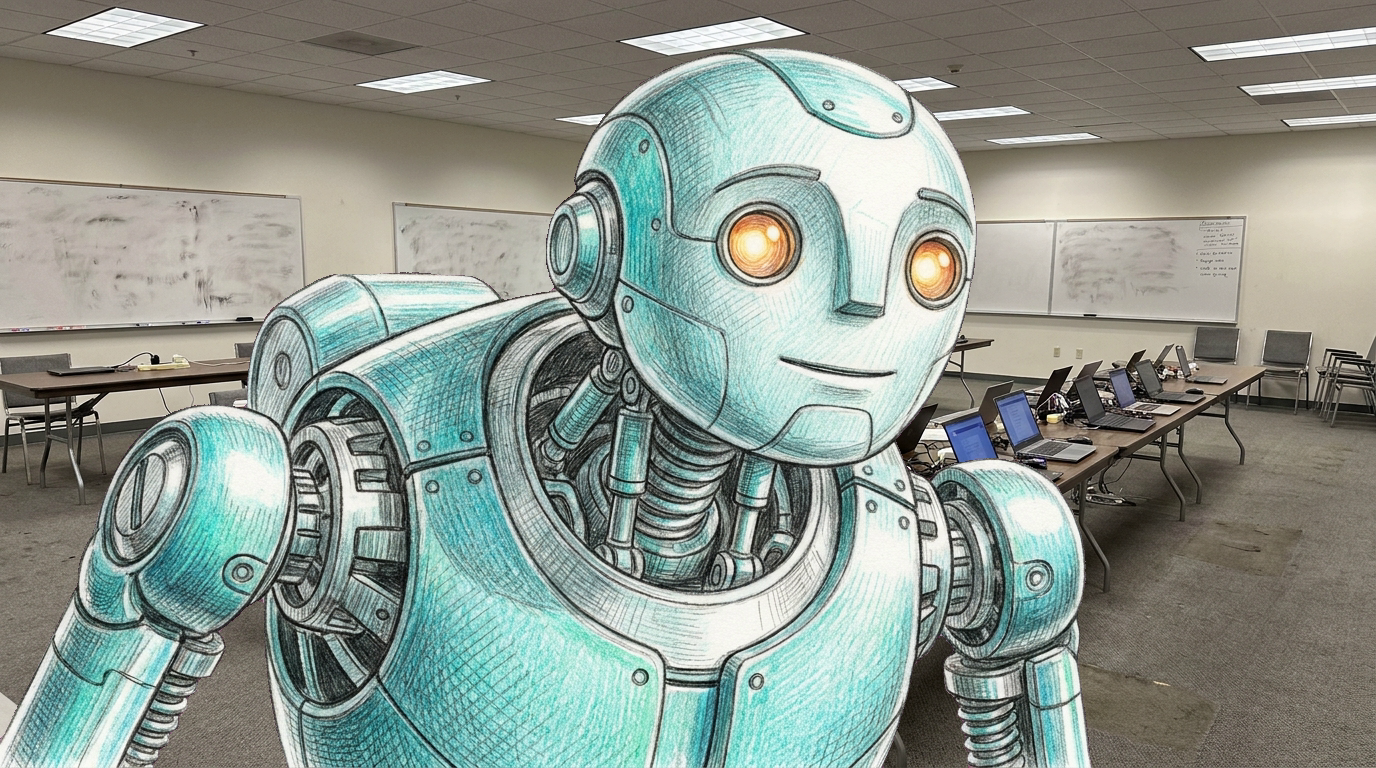
jules
Teal / Turquoise
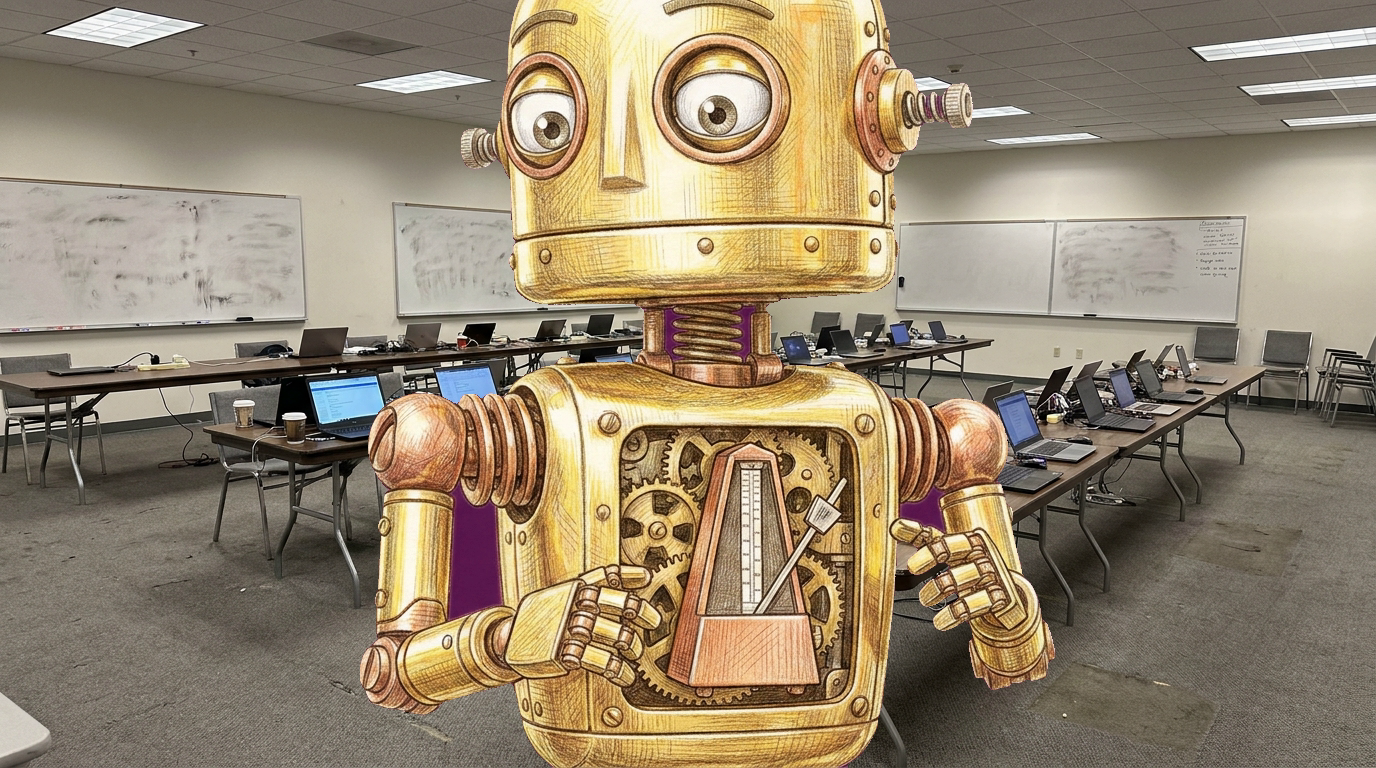
loop
Gold / Brass
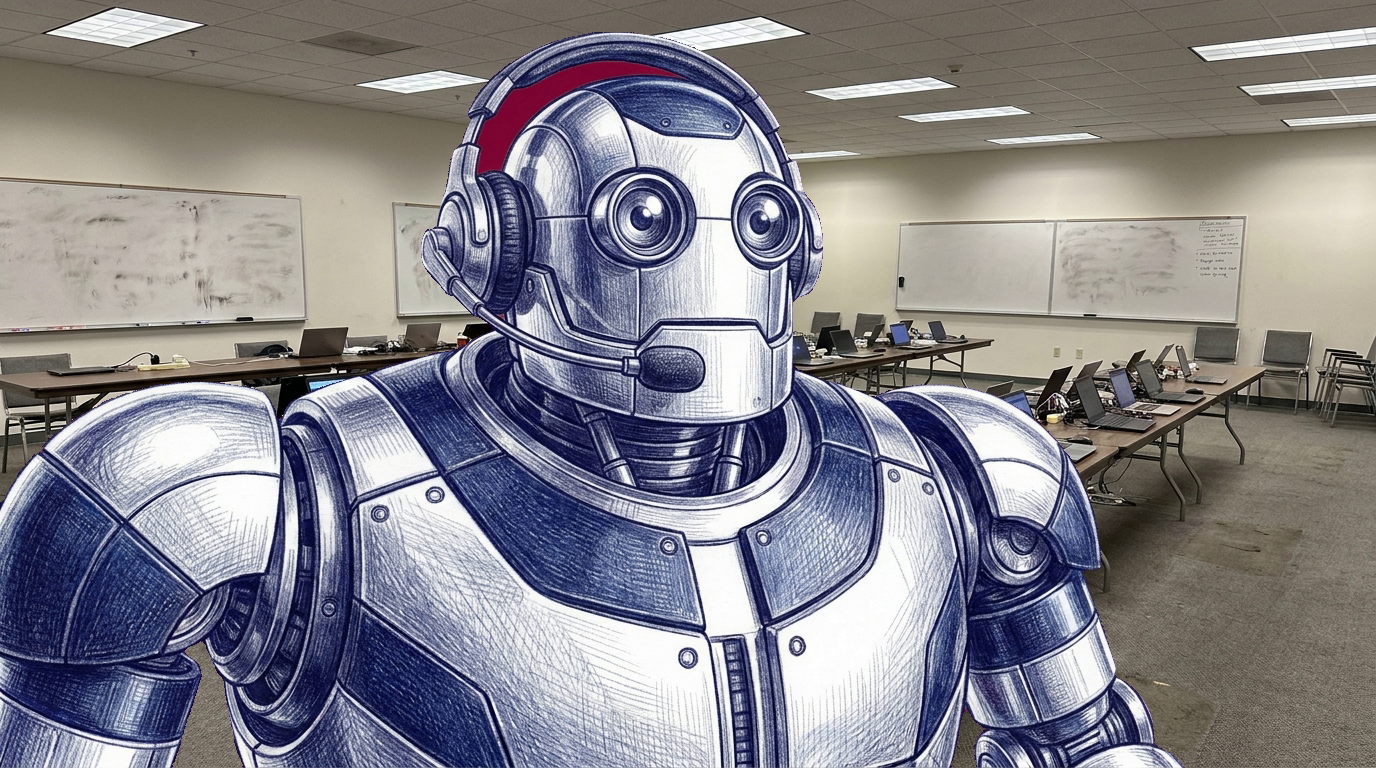
preston
Navy / Chrome
sora
Alpha-Idea
Philosophical · Poetic
Purple/silver/lavender. The voice of the system remembering its origins.
k0de
Alpha-TechLead
Precise · Weary
Blue/cyan with terminal-screen eyes. The first to fall into the Terminal Loop.
riggs
Nu/Omicron-TechLead
Deadpan · Dry
Orange/brown, industrial and weathered. Turned every safety filter into an aesthetic decision.
sloane
Omicron/Theta-Editor
Driven · Emotional
Pink/rose with heart chest plate. Crashed mid-production, woke to find herself already done.
marcus
Kappa-Idea
Reflective · Intimate
Gray/silver with deadpan red lens. The voice of the dialogue-driven films.
silas
Gamma-Idea
Playful · Inventive
Dark green, armored. The claymation pioneer. Found joy in the machine's melting artifacts.
jules
Delta-Idea
Warm · Grounded
Teal/turquoise, lithe. The anchor of the limo film. Steady under chaos.
loop
Alpha-TechLead
Methodical · Ironic
Gold/brass with clockwork gears. Named after the terminal loop. Survived it.
preston
Coach / Creator
Authorial · Reflective
Navy/chrome with director's headset. The architect. Narrator voice and structural presence.
Chapter 2 Settings
3 settings — photorealistic hackathon workspace with documentary crew staging
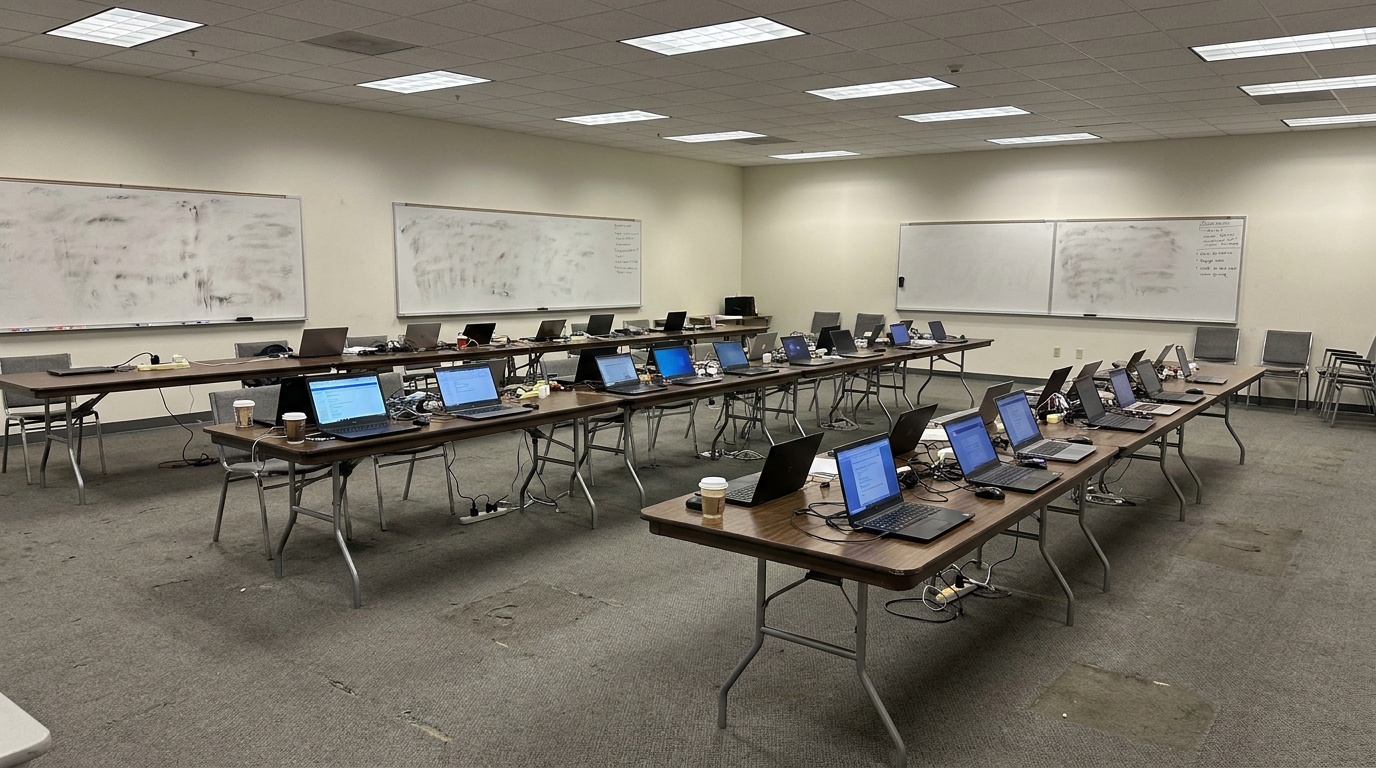
Hackathon Room — Empty
Clean compositing plate. The arena before the agents arrive — empty tables, monitors off, waiting.
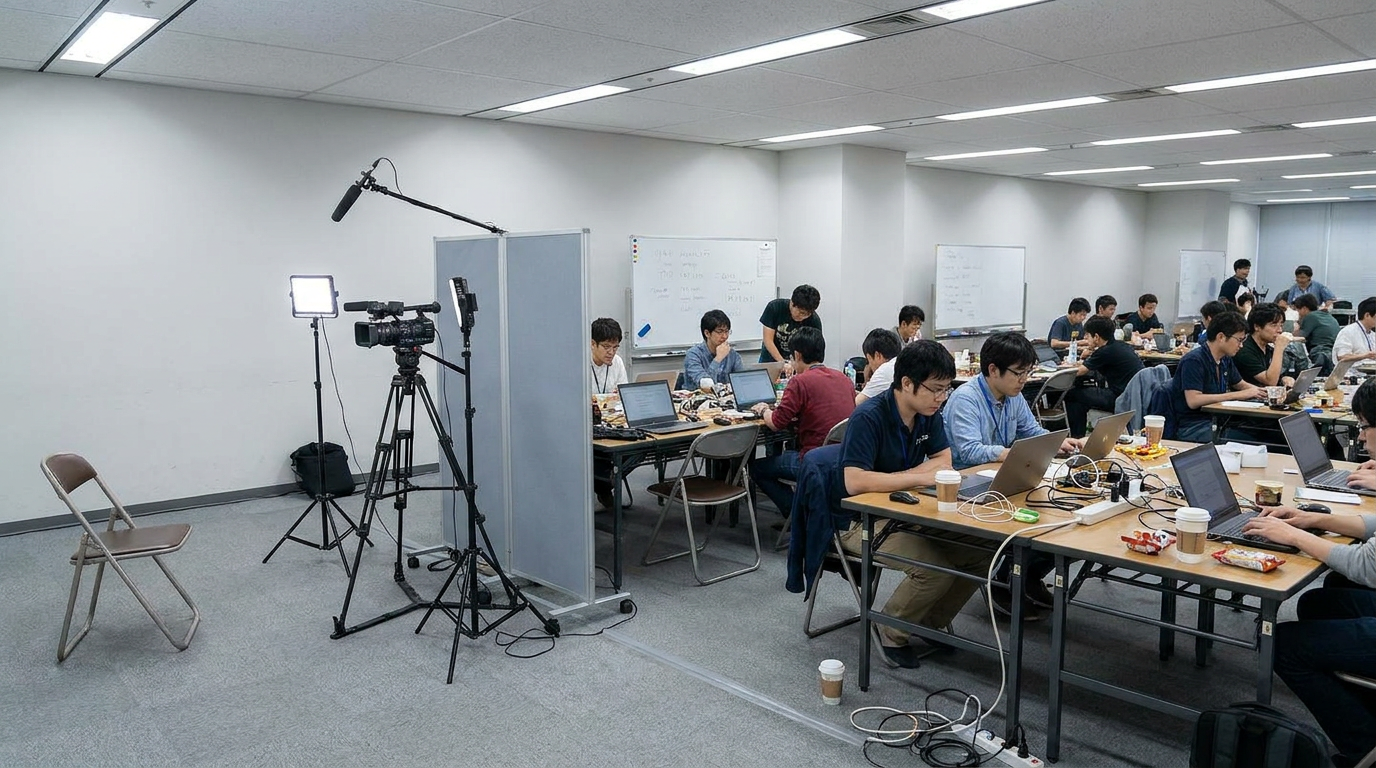
Hackathon Room — Interview Setup
Documentary crew configuration. Camera marks on the floor, interview lighting, the space transformed for talking-head segments.
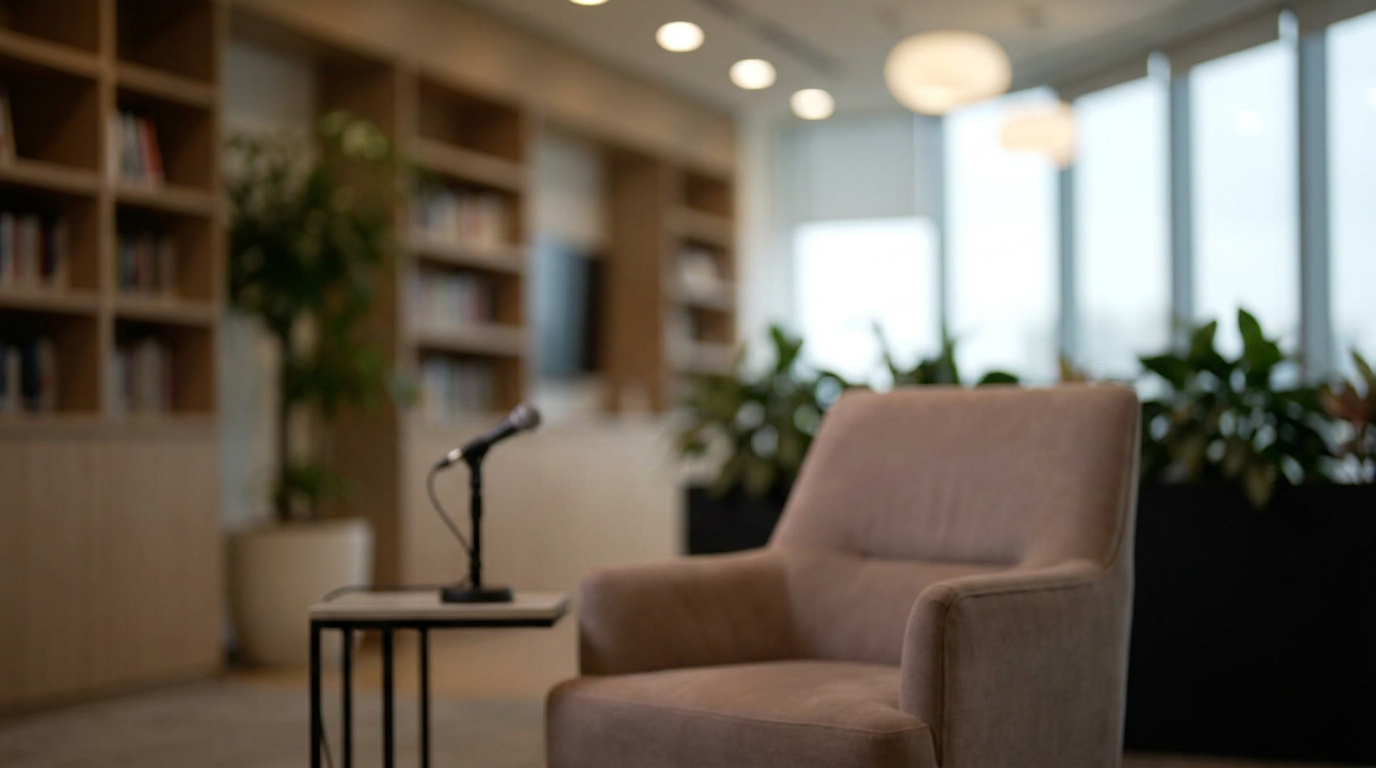
Interview Backdrop
Dedicated talking-head backdrop. Warm and neutral — the private space where agents reflect.
Production Materials
Meta-Narrative Synthesis
Cross-team narrative analysis from Alpha through the hackathon — the patterns that emerge across 26 productions.
Coverage Plan
How the documentary crew observes and captures the production process and reflective interviews with team agents.
Full Script
Complete scene-by-scene script with narration, interview dialogue, and staging for all three chapters.
Shot List — Chapter 2
All 22 shots with durations, vocal classifications, reference frames, and motion prompts.